

The image many people carry of assisted living facilities is often frozen in the past. Many older adults still picture long clinical hallways, rigid schedules, and places that feel disconnected from real life.
At The Courtyard at Fitchburg, families often arrive expecting something impersonal. Then they walk through the doors and realize the experience feels far more like a neighborhood community than the version they imagined.
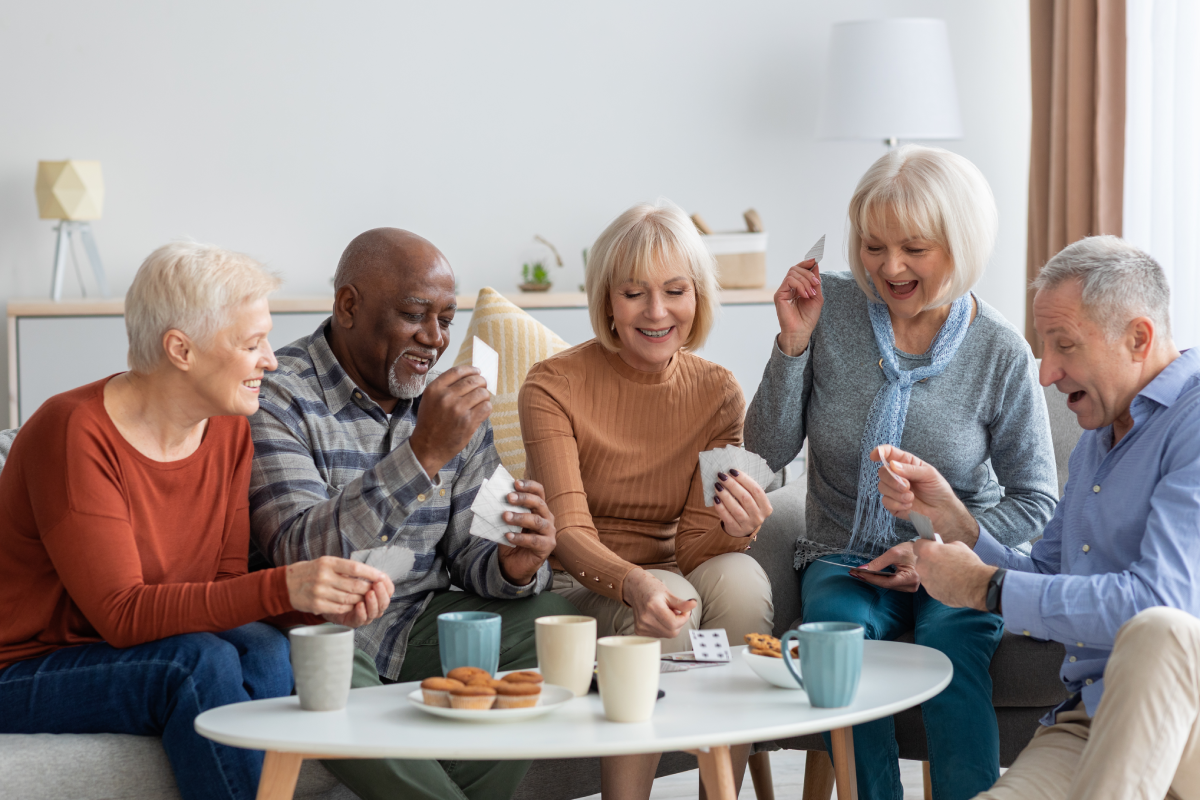
Residents gather for coffee before morning fitness classes. Neighbors meet for movie nights and themed dinners. Families visit for lunch before walking the trails around McKee Farms Park. Apartments are filled with personal furniture, favorite decorations, pets, and routines that still feel familiar.
Not Every Type of Senior Care Is the Same
Part of the confusion comes from how broad the senior care world has become. Assisted living, memory care communities, rehabilitation centers, skilled nursing communities, and respite care programs all serve different purposes.
Some people genuinely need the higher medical oversight provided in skilled nursing or rehabilitation centers. Those settings play an important role after surgeries, major illnesses, or complex medical events.
Modern assisted living communities are designed for older adults who want support with daily life while still maintaining routines, independence, relationships, and meaningful activities. Memory care communities provide more specialized support for individuals living with Alzheimer’s disease or other forms of dementia while still emphasizing familiarity and connection.
The Courtyard at Fitchburg was intentionally designed around daily living, not simply clinical oversight. That changes the entire atmosphere of the community.
What Makes a Senior Living Community Feel Different?
The difference often comes down to what the space is built around. Traditional institutions tend to focus primarily on tasks, schedules, and clinical needs. A true senior living community is designed around people. Families usually feel that difference almost immediately.
At The Courtyard at Fitchburg, daily life revolves around relationships and engagement. Residents are not sitting in rooms waiting for the day to pass. They are choosing how they want to spend their time.
Some residents attend fitness classes in the morning before meeting neighbors for restaurant-style dining. Others spend afternoons gardening in the raised planting beds, watching football in the theater, or joining outings around Dane County. Residents regularly visit farmers’ markets, local restaurants, museums, and community events throughout the Fitchburg and Madison area.
For many families, one of the biggest surprises is how social life changes after moving into assisted living. According to the National Institute on Aging, social isolation and loneliness can increase risks for depression, cognitive decline, and other health concerns in older adults. Living alone at home may provide familiarity, but it can also quietly become isolating over time.
Community-centered living creates more natural opportunities for interaction with friends throughout the day:
- Shared meals
- Casual conversations
- Group outings
- Activities built around real interests
- Familiar faces and routines
- Family participation in events and celebrations
Boutique Communities Create Real Relationships
Large campuses can feel overwhelming to some older adults. One reason families are drawn to The Courtyard at Fitchburg is its smaller, boutique-style scale.
Residents begin recognizing neighbors quickly. Families become familiar with the people caring for their loved one. Team members learn personal routines, preferences, hobbies, and personalities instead of treating every resident the same way. That relationship-building becomes especially important in memory care.
A dementia care facility should not feel cold or impersonal. Residents living with memory loss often respond best to familiar routines, calm interactions, smaller group activities, and consistent daily rhythms. At The Courtyard at Fitchburg, memory care programming is intentionally adapted around retained abilities, personal interests, and meaningful engagement instead of one-size-fits-all schedules.
Residents may spend time listening to favorite music, baking, gardening, participating in spiritual programming, or simply sitting outside with family members overlooking McKee Farms Park.
Assisted Living Facilities Today Look More Like Home
One of the biggest misconceptions families carry into tours is assuming assisted living and memory care will feel sterile or overly medical. In reality, many modern communities now prioritize warmth, comfort, and livability.
At The Courtyard at Fitchburg, residents live in private studio, one-bedroom or two-bedroom apartments, which they furnish with their own belongings. Large windows bring in natural light. Outdoor patio areas overlook walking trails and landscaped grounds. Residents gather around fireplaces, eat together in welcoming dining spaces, and participate in activities that feel personal instead of heavily programmed.
Even the pace of the day feels different from what many people expect. Nobody is forcing residents into activities they dislike. Some people enjoy social events and happy hours. Others prefer quiet afternoons with books, gardening, or visits from family. The community is designed to support both.
What About Respite Care?
Respite care provides temporary stays for older adults while family caregivers travel, recover, or simply take a break from caregiving responsibilities. These short-term stays can last from several days to several weeks, depending on the family’s needs. For some families, respite care becomes a low-pressure way to experience community living before making any long-term decisions.
Guests participate in activities, dining, and daily life alongside permanent residents. Families often realize their loved one is more socially engaged, less isolated, and less stressed than they were living alone at home. Sometimes the stay remains temporary. Sometimes it helps families recognize that additional support may improve the quality of life for everyone involved.
Comparing the Costs Families Often Overlook
Many families assume assisted living facilities automatically cost more than remaining at home. In reality, the numbers are often much closer than expected once ongoing home expenses are added together.
According to 2025 Madison-area cost data:
- Nonmedical in-home care averages approximately $7,627 per month
- Assisted living communities average approximately $6,945 per month
- Nursing home care may exceed $12,000 to $15,000 monthly, depending on room type
Memory care costs across Wisconsin average approximately $6,833 per month statewide, though prices in the Madison and Fitchburg area may run higher because of local demand and housing costs.
Families also need to consider what is included within community living:
- Dining
- Activities
- Transportation
- Housekeeping
- Maintenance
- Medication support
- Social opportunities
- Around-the-clock availability for changing needs
For many people, the comparison becomes less about square footage and more about the overall quality of life.